
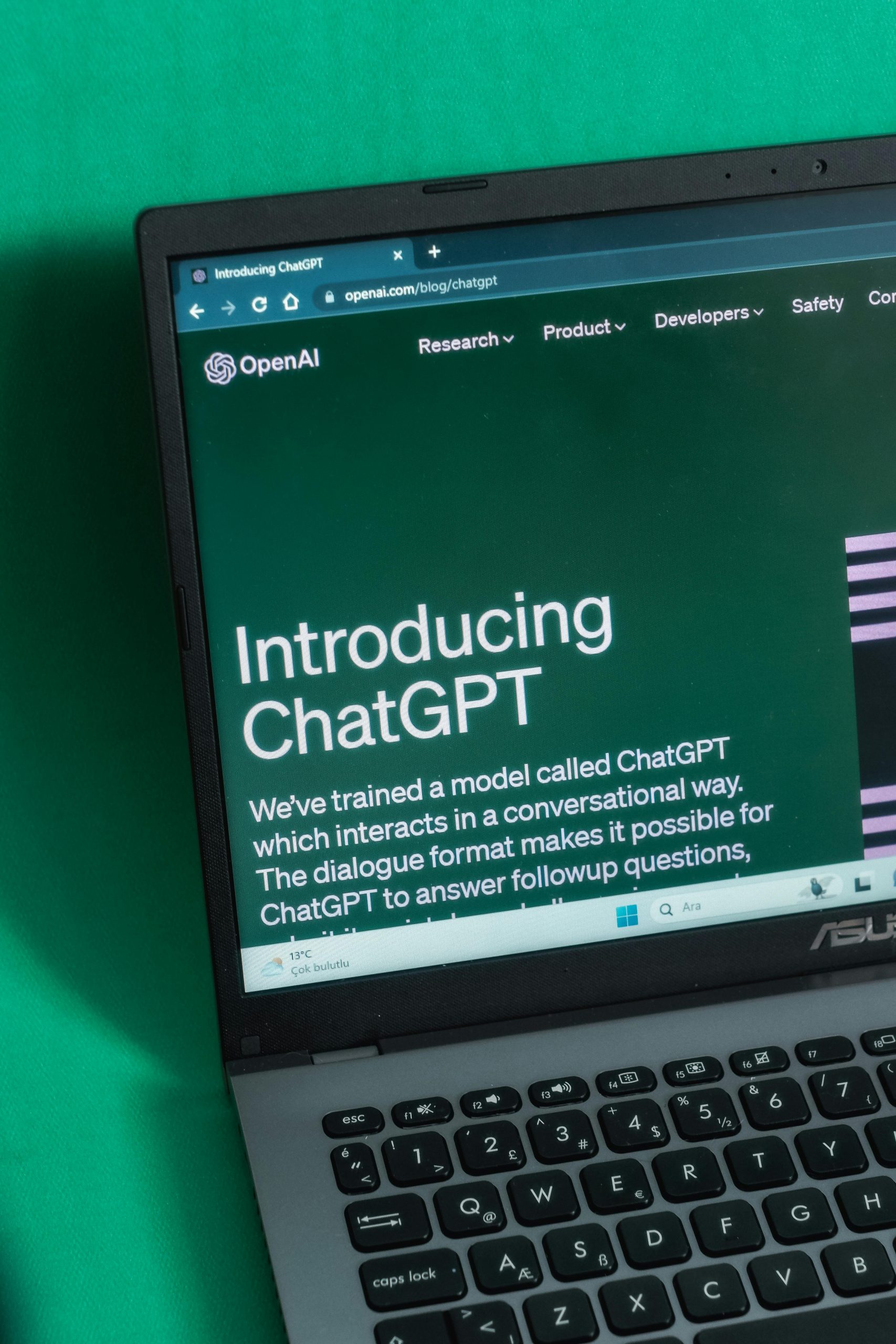
OpenAI and Perplexity Introduce AI Shopping Assistants: Industry Leaders vs. Emerging Startups
In the rapidly evolving landscape of artificial intelligence, heavyweight players like OpenAI and Perplexity are making strategic moves to enhance consumer shopping experiences through specialized AI assistants. Recently, both organizations announced the launch of AI-powered shopping assistants designed to streamline product discovery and purchasing processes for online consumers.
The Dawn of AI Shopping Assistants
As e-commerce continues its exponential growth, the demand for intelligent, personalized shopping tools has surged. OpenAI, renowned for its groundbreaking language models, has expanded into this arena by developing a sophisticated AI assistant tailored to assist shoppers in finding products more efficiently. Similarly, PerplexityΓÇöthe startup gaining attention for its innovative AI solutionsΓÇöhas unveiled its own variant of an AI shopping assistant aimed at delivering seamless and context-aware recommendations.
What These Launches Mean for the Industry
Both OpenAI and Perplexity leverage advanced natural language processing techniques to create assistants capable of understanding nuanced user queries and providing tailored suggestions. Their entry signifies a notable shift toward integrating AI directly into the consumer shopping journey, promising increased personalization, reduced decision fatigue, and improved conversion rates for online retailers.
Market Reception: Competition Doesn’t Just Worry
Despite the strategic significance of these announcements, smaller startups in the AI and e-commerce sectors are maintaining a cautiously optimistic perspective. Industry insiders point out that while the entrance of tech giants brings increased attention and investment into AI shopping solutions, it also raises the bar for innovation. Many emerging companies are focusing on niche markets, unique user experiences, or specialized integrations that larger organizations may not prioritize initially.
Startups argue that their agility and deep understanding of specific customer needs allow them to differentiate themselves even amidst competition from industry titans. Furthermore, the AI shopping assistant market remains ripe for innovation, with opportunities to tailor solutions to particular verticals or deliver highly customized experiences that generalized models might not provide.
Looking Ahead
The launch of AI shopping assistants by OpenAI and Perplexity marks an exciting chapter in the evolution of e-commerce technology. While large companies are setting the stage with advanced capabilities and broad product offerings, smaller startups are poised to continue innovating within specialized niches. As these technologies mature, consumers can anticipate more intuitive, personalized online shopping journeys driven by AI-powered assistanceΓÇöregardless of the size of the player behind them.
Conclusion
The arrival of AI shopping assistants from industry leaders underscores the importance of AI in shaping the future of consumer retail. Yet











One Comment
This post highlights a fascinating transition in the AI and e-commerce landscape. While industry giants like OpenAI and Perplexity are pushing the boundaries with sophisticated, broad-spectrum shopping assistants, it’s important to recognize the ongoing value of niche-focused startups. Their agility allows them to develop highly tailored experiences that larger players might overlook or be slower to implement.
Moreover, this competitive dynamic could foster a rich ecosystem where innovation isn’t solely driven by scale but by specialization and user-centric design. Over time, we might see a hybrid approach emerge—large-scale platforms integrating bespoke features from smaller innovators—to deliver truly personalized and seamless shopping journeys.
Ultimately, the evolution of AI shopping assistants promises a more efficient, engaging, and customized retail experience for consumers, regardless of the size of the company leading the effort. It will be exciting to observe how this interplay between industry leaders and startups shapes the future of AI in e-commerce.