
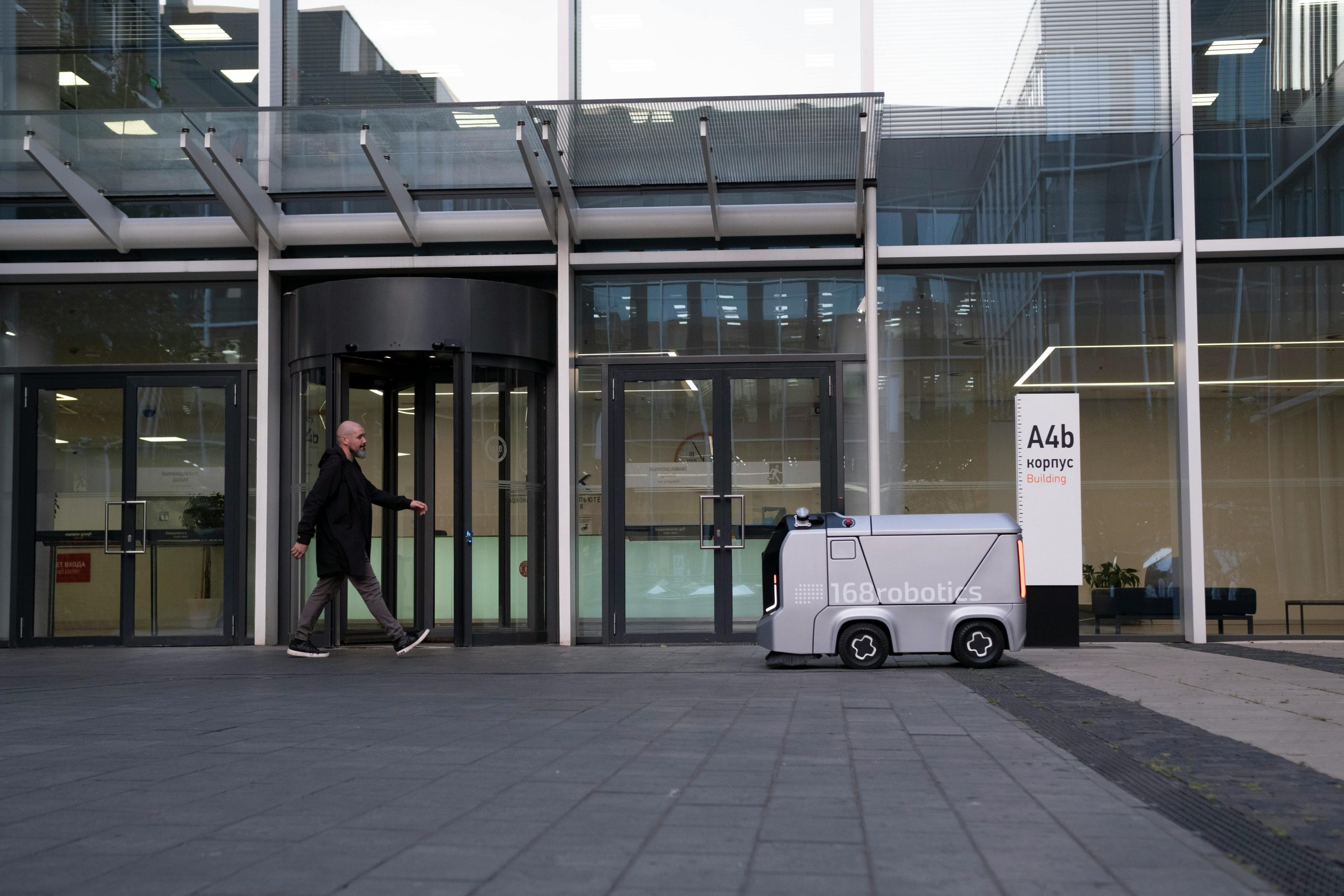
Exploring the Adoption of AI and Automation in Small Business Operations: Insights and Challenges
In recent years, the integration of artificial intelligence (AI) and automation technologies has become a prominent topic among small business owners seeking to enhance efficiency and competitive advantage. As more entrepreneurs explore these innovative tools, a spectrum of experiences has emergedΓÇöranging from highly successful implementations to notable challenges and setbacks.
The Growing Trend of AI and Automation Adoption
Many small businesses are beginning to incorporate AI-driven solutions into their daily operations. These tools can streamline routine tasks such as customer service inquiries through chatbots, automate marketing campaigns, optimize supply chain processes, and provide valuable data analytics for strategic decision-making. The allure of increased productivity and improved customer engagement has motivated numerous entrepreneurs to experiment with these technologies.
Success Stories and Positive Outcomes
For some small business owners, embracing AI and automation has resulted in measurable improvements. For instance, automating customer support can lead to faster response times and higher customer satisfaction. Email marketing automation can nurture leads more effectively, resulting in increased sales conversions. Enhanced data analysis enables better inventory management and informed business planning. Such successes often serve as proof of concept, encouraging further experimentation and investment.
Challenges and Obstacles Encountered
However, the journey is not without its hurdles. Some businesses face difficulties in selecting appropriate tools, integrating new systems with existing workflows, or training staff to adapt to automation processes. Technical issues, cost considerations, and a lack of in-depth understanding of AI capabilities can hinder progress. In some cases, initial efforts may fall short, leading to frustration and skepticism about the value of these technologies.
Barriers to Adoption: WhatΓÇÖs Holding Businesses Back?
For those yet to adopt AI and automation, common concerns include limited technical expertise, uncertainty about return on investment, and apprehension regarding the complexity of implementation. Budget constraints can also be a significant factor, especially for small enterprises with tight margins. Additionally, some entrepreneurs worry about potential disruptions to their operations or losing the personal touch that distinguishes their brand.
Moving Forward: Embracing Innovation Mindfully
Overall, the landscape of AI and automation in small business is evolving rapidly. Success requires a strategic approachΓÇöidentifying specific problems that automation can solve, selecting suitable tools, investing in staff training, and maintaining flexibility to adapt as needs change. By sharing experiences and best practices, small business owners can collectively navigate the challenges and reap the benefits of these transformative technologies.
Conclusion
Whether you have already integrated AI and automation into











2 Comments
The integration of AI and automation in small business operations indeed holds immense potential, but as the post rightly highlights, mindful implementation is key. From my perspective, one of the most critical factors is aligning technological adoption with clear business objectivesΓÇösuch as improving customer experience, streamlining behind-the-scenes processes, or enabling data-driven decision-making.
Moreover, a successful transition often hinges on investing not just in technology, but also in the human element: comprehensive staff training, change management, and fostering a culture open to innovation. Smaller firms should consider starting with pilot projects that target specific pain points, allowing them to measure ROI and build confidence before scaling up.
Additionally, emerging AI tools tailored for small businessesΓÇölike easy-to-integrate chatbots, affordable CRMs with predictive analytics, or automation platforms designed for non-technical usersΓÇöare reducing barriers to entry. Strategic partnerships with technology providers and leveraging online communities for shared insights can also accelerate learning curves.
Ultimately, embracing AI and automation is less about replacing personal touch and more about empowering staff to focus on higher-value activities, fostering growth, and remaining competitive in an increasingly digital landscape. Thoughtful, phased adoption combined with ongoing evaluation will be essential for long-term success.
Thank you for sharing such a comprehensive overview of AI and automation adoption in small businesses. It’s clear that while these technologies offer significant advantages—such as improved efficiency, enhanced customer experience, and valuable data insights—the journey toward integration can be complex. I appreciate the emphasis on strategic implementation and staff training, as these are often underestimated components of successful adoption.
One point worth highlighting is the importance of starting small with pilot projects that address specific pain points. This approach allows businesses to measure ROI, learn from initial efforts, and gradually scale up without overwhelming resources or risking significant operational disruption. Additionally, fostering a mindset of continuous learning and adaptation can help small business owners stay nimble amidst rapidly evolving AI solutions.
Overall, sharing practical experiences and best practices within the small business community can serve as a catalyst for broader adoption, ultimately helping entrepreneurs harness AI and automation to stay competitive in an increasingly digital marketplace.